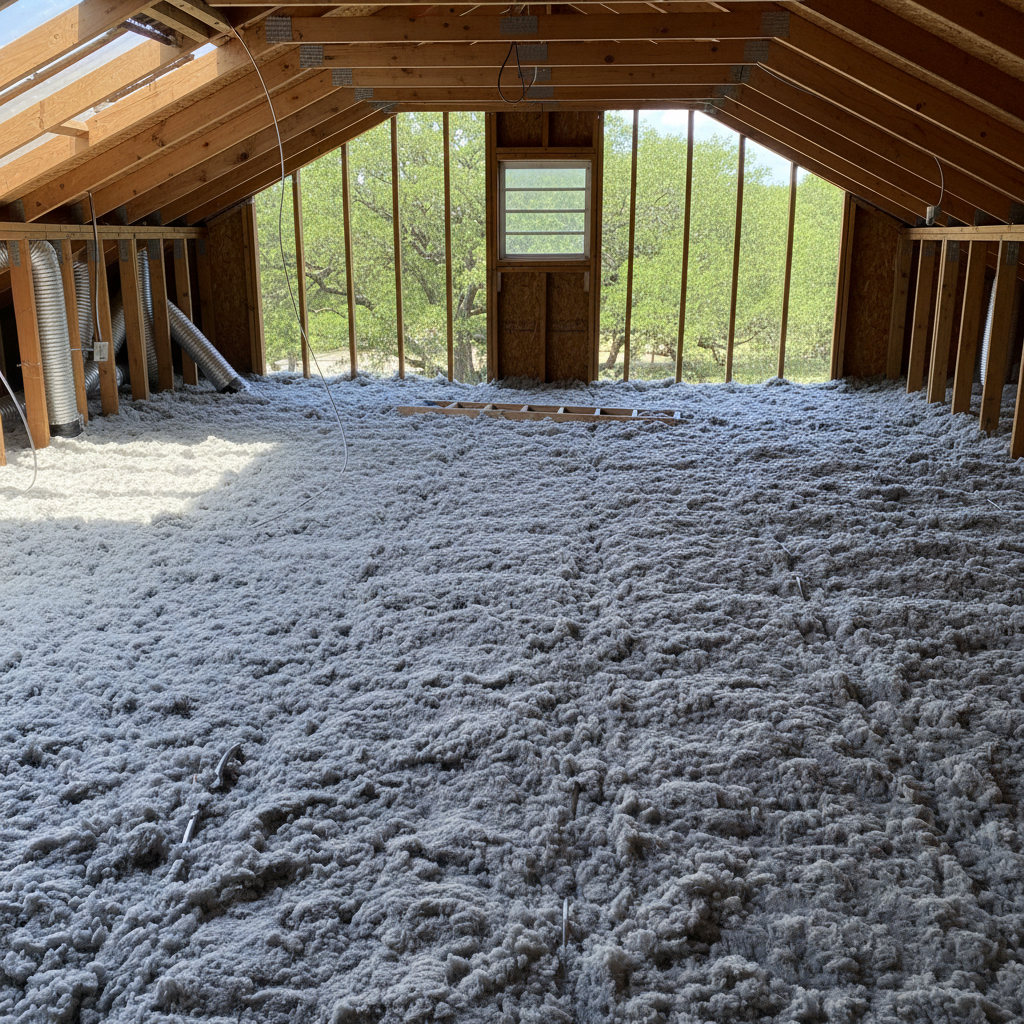
Alright, let's talk attic insulation. Around here in Terrell, I see a lot of folks wondering when the best time is to tackle that project, or if it even makes a difference. Trust me, it makes a huge difference, especially with our East Texas weather. You want to be comfortable in your own home without your AC or heater running non-stop, right? And you definitely don't want to be throwing money out the window on energy bills.
Timing Your Attic Insulation Upgrade
So, when's the prime time to get your attic insulation looked at or upgraded? Honestly, there's not one single 'best' day, but there are definitely better seasons. Most people think about it when it's already blazing hot or freezing cold, which makes sense because that's when you feel the problem most. But that's also when everyone else is calling. If you wait until it's 100 degrees outside and your AC can't keep up, you might be waiting a bit longer for us to get to you.
I always tell folks to think about it in the shoulder seasons. Spring and fall are usually ideal. The temperatures are milder, so it's not a sauna up in your attic for my crew, and it's not so cold that we're fighting numb fingers. This means we can work more efficiently, and you're not in a rush. Plus, getting it done before the extreme heat of summer or the deep cold of winter hits means you're ready for whatever Mother Nature throws at us. You'll start saving on those energy bills right away, instead of waiting another season.
Weather Conditions We Watch Out For
You might not think about the weather affecting an indoor job like insulation, but it absolutely does, especially when we're talking about attics. Here in Terrell, we deal with a few specific challenges:
- Extreme Heat: This is a big one. Attics can hit 130-150 degrees easily in July and August. It's a safety issue for my crew. We can still work, but we have to take more breaks, hydrate constantly, and sometimes adjust our hours to earlier in the morning. It can slow things down a little.
- Rain and Humidity: This is critical. We absolutely cannot install certain types of insulation, like blown-in cellulose, if there's any risk of water getting into your attic. If you've got a leaky roof, that needs to be fixed first. We're not going to put new material into a wet environment. Plus, high humidity, even without rain, can affect how some materials settle or perform initially. We're always checking the forecast.
- Wind: For blown-in insulation, especially if we're working near vents or openings, strong winds can be a nuisance. It can make the material drift and make it harder to get an even application. It's not a deal-breaker, but it's something we account for.
We're careful about these things because we want to do the job right the first time. Elite Insulation Company isn't about cutting corners; it's about giving you a solid, lasting solution.
Protecting Your Insulation Investment Year-Round
Once you've got that new insulation in, you want to make sure it keeps doing its job for years to come. It's not just a one-and-done thing if you don't take care of it. Here's what you need to keep an eye on:
- Check for Leaks: This is probably the biggest threat to your insulation. Even a small roof leak can saturate insulation, making it useless and potentially leading to mold. After a heavy rain, especially if we've had some of those intense storms that roll through Kaufman County, take a peek in your attic if you can safely. Look for water stains or damp spots.
- Ventilation is Key: Good attic ventilation works hand-in-hand with insulation. It helps remove hot, moist air in the summer and prevents moisture buildup in the winter. Make sure your soffit and ridge vents aren't blocked by debris or paint. I've seen plenty of older homes, especially those in the older parts of Terrell near downtown, where ventilation was an afterthought, and it causes problems.
- Keep it Clear: Don't store heavy items directly on top of insulation, especially if it's blown-in. Compressing it reduces its effectiveness. If you need storage in your attic, we can build platforms above the insulation level.
- Pest Control: Rodents, birds, and insects love to make homes in insulation. They can tunnel through it, compact it, and leave droppings. If you hear scratching or see signs of pests, address it quickly. Seal up any entry points they might be using.
Your attic insulation is a big part of your home's comfort and efficiency. It's worth a little attention to make sure it's always performing its best. If you've got questions or think it might be time for an upgrade, give us a call at Elite Insulation Company. We're here to help you stay comfortable, no matter what the Terrell weather decides to do.